
INTRODUCTION
To date, 23 species belonging to the genus Squalius have been recorded in Turkish inland waters, of which 14 are endemic species (Çiçek et al. 2023). One of these endemic species is the Sakarya chub, Squalius pursakensis. The species known as S.cephalus, distributed in the Sakarya River and its tributaries, were recorded as S. pursakensis (Hankó 1925), Özulug and Freyhof (2011). The conservation status of S. pursakensis was assessed as Least Concern (LC) by the International Union for Conservation of Nature and Natural Resources (IUCN) in 2013 (Freyhof 2014). Prior to this study, only three ichthyoparasitological studies have been carried out on S. pursakensis in Turkiye, mainly focusing on monogenean (N. Aydogdu 2023; Nejat et al. 2023) and digenean (Innal et al. 2020) parasites of this species ahead of this study.
However, the cestode fauna of this host fish is probably not fully characterized. The present study aims to fill this gap by providing data on the cestode fauna of this host fish in Turkish waters: to determine how the prevalence, abundance and intensity of infection vary according to seasons, as well as with the size and sex of the host fish. Therefore, this study represents the first cestodological investigation conducted on S. pursakensis.
Cestode infections in freshwater fishes are of particular importance in terms of fish health and welfare, as intestinal parasites may cause mechanical damage to the intestinal mucosa, impair nutrient absorption, and negatively affect host growth and condition. Such effects may reduce feeding efficiency, increase susceptibility to secondary infections, and ultimately influence population dynamics and fisheries productivity (Bruno et al. 2006; Dezfuli et al. 2024).
To the best of our knowledge, eleven species of caryophyllidean cestodes from five genera within two families (Caryophyllaeidae and Lytocestidae) have been reported in Türkiye (Özer 2021). The genus Caryophyllaeides is represented by one species, Caryophyllaeides fennica (Schneider, 1902) was previously recorded from three cyrprinid fishes (Rutilus rutilus, Scardinius erythrophthalmus, Squalius cii) in Türkiye (Özer 2021; N. Aydogdu and And 2025). Additionally, an unidentified Caryophyllaeides species was recorded only from Blica bjoerkna in Lake Uluabat by Akıncı (1999).
Despite its wide distribution worldwide (Zhokhov et al. 2003), considering the fish biodiversity in Türkiye, we can say that the status of caryophyllidian cestodes is still insufficiently investigated. From an ecological perspective, these parasites play an important role in shaping parasite community structure and may serve as indicators of ecosystem health and host–parasite interactions (Barčák et al. 2021; Dezfuli et al. 2024).
Histopathological methods are frequently used to detect tissue damage caused by parasites during host–parasite interactions (Bruno et al. 2006; N. Aydogdu et al. 2025). Although several studies have investigated the histopathological effects of cestodes parasitizing marine and freshwater fishes (Barčák et al. 2021; Dezfuli et al. 2024), no histopathological data have been reported for C. fennica infecting any freshwater fish species, either in Türkiye or elsewhere.
Therefore, in addition to providing new parasitological data, this study aims to evaluate the histopathological alterations associated with C. fennica infection, contributing to a better understanding of its potential effects on fish health, welfare, and freshwater ecosystem functioning (Bruno et al. 2006; Barčák et al. 2021; Dezfuli et al. 2024).
MATERIALS AND METHODS
Collection of Fish and Parasitological investigation
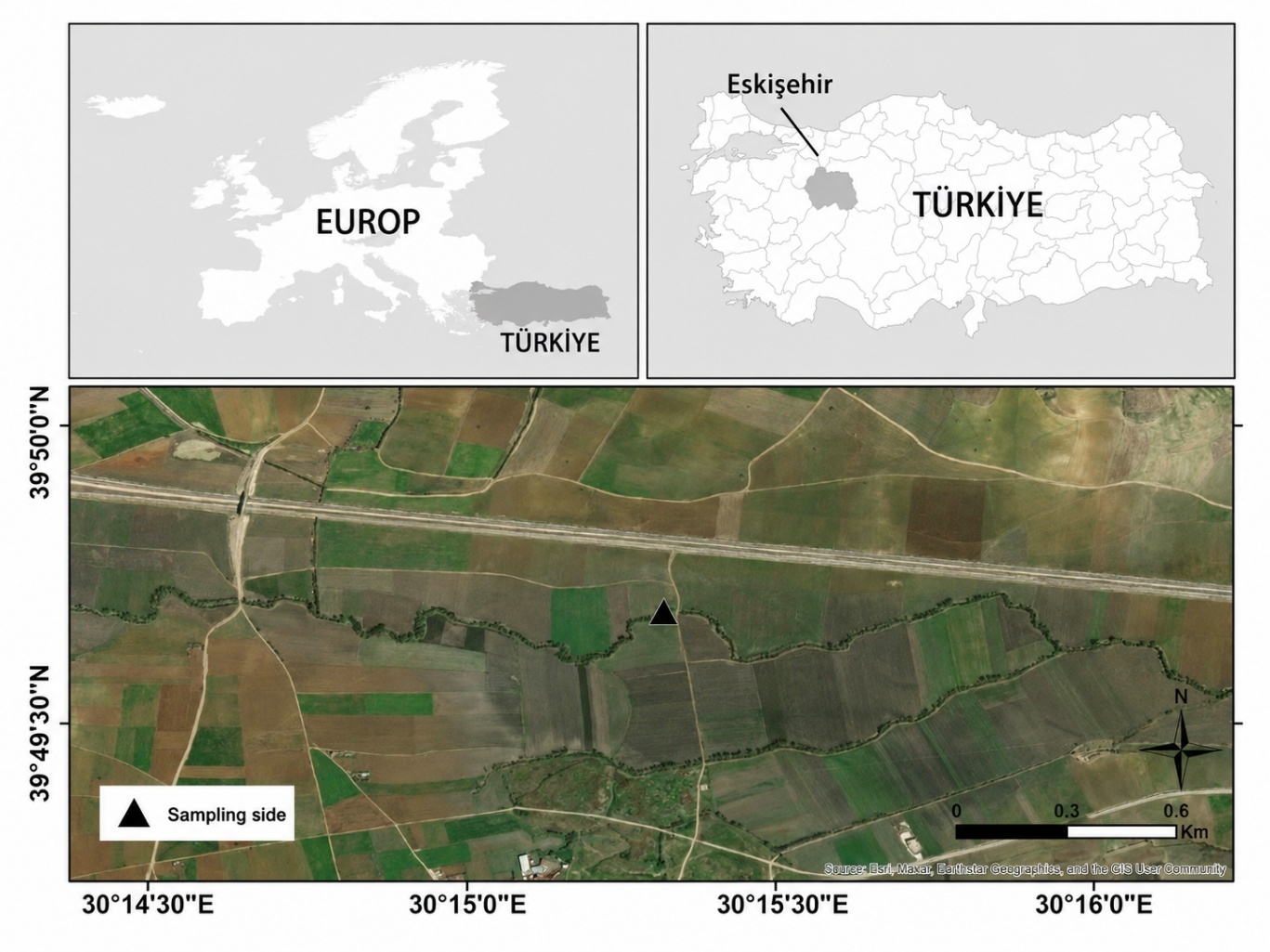
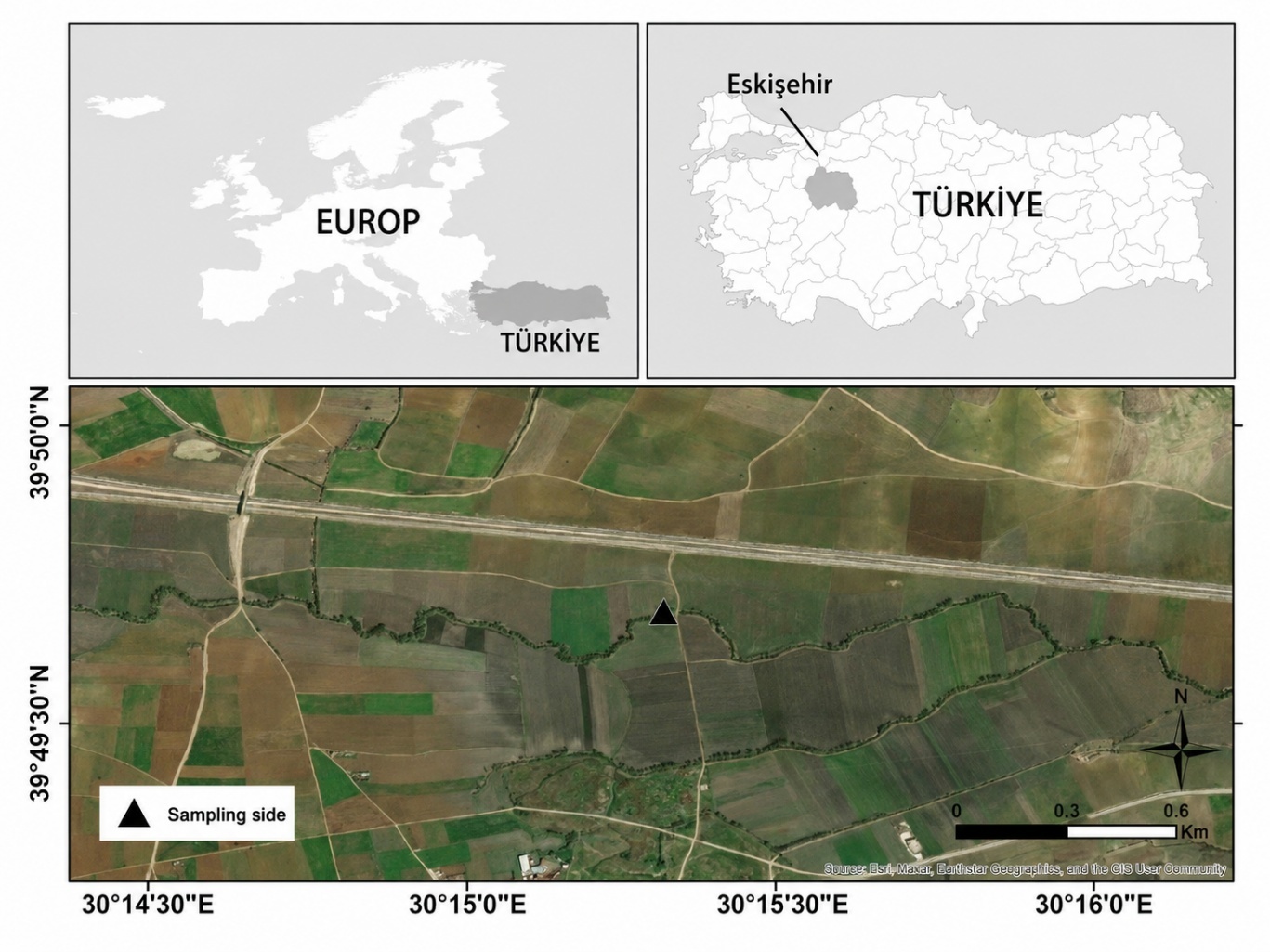
A total of 98 individuals of Squalius pursakensis (Hankó, 1925) were collected by electrofishing (Samus 1000) from Sarısu Stream (Eskişehir, Türkiye) (Figure 1) between winter 2023 (February) and autumn 2023 (November), at seasonal intervals (once every three months). The specimens were transported alive to the laboratory in ventilated polyethylene tanks containing ice packs to reduce metabolic activity and minimize stress during transport.
Upon arrival at the laboratory, fish were maintained in 20 L aerated aquaria and examined within 2–3 h after capture. Fish were humanely euthanized by vertebral separation (spinal transection) prior to dissection, and dissections were performed immediately after cessation of opercular movement.
Before parasitological examination, the total length of each fish was measured using an ichthyometer (cm). Sex determination was carried out by opening the abdominal cavity and visually inspecting the gonads; 56 individuals were males and 42 were females. During dissection, the stomach, pyloric caeca, and intestinal tract were carefully removed from the mesenteries and associated organs and opened longitudinally in Petri dishes containing physiological saline solution. The organs were examined for endohelminth parasites under a stereomicroscope (Nikon Microsystems, Japan).
Live cestodes recovered from the host tissues were counted, carefully detached, and washed repeatedly in physiological saline to remove host debris. For morphological examination, cestode specimens were fixed in 5% or 10% neutral buffered formalin or preserved in 70% or 96% ethanol, depending on the purpose of fixation.
Fixed specimens were stained with acetic carmine, dehydrated through a graded ethanol series, cleared in clove oil or xylene, and mounted as permanent preparations in Canada balsam, following the procedures described by Georgiev et al. (1986).
All cestode specimens were identified using diagnostic morphological keys provided by Mackiewicz (1994, 2003). Photomicrographs were taken using a Leica DMR microscope equipped with phase-contrast optics and an Olympus BX-50 research microscope.
Data on cestode infections were categorized according to season, host length, and host sex.
Histopathological Studies
For histopathological studies, intestinal tissue samples affected by Caryophyllaeides fennica (Schneider 1902) were immediately fixed with 10% buffered formalin. After fixation, the tissue samples were gradually dehydrated with a graded series of ethanol series, cleaned in xylene and embedded in paraffin wax, according to the standard histological procedures. Serial sections of 4–5 µm thickness were obtained from all tissue samples using a rotary microtome (Leica RM2125, Germany). The sections were stained with Mayer’s haematoxylin and eosin (H&E). Slides were examined under an Olympus BX-51 light microscope equipped with an Olympus DP72 digital camera (Roberts et al. 2001).
Statistical Analysis
Data on cestode parasite infections were grouped according to season, host length, and host sex. Prevalence, mean intensity, and mean abundance were calculated following the definitions of Bush et al. (1997). Descriptive statistics were used to summarize infection parameters. Because the data did not meet the assumptions of normality, non-parametric statistical tests were applied. The Kruskal–Wallis test was used to evaluate differences in median parasite intensity among more than two groups (host size classes and seasons). The Mann–Whitney U test was applied to assess differences in median parasite intensity between host sexes. A significance level of α ≤ 0.05 was adopted. All statistical analyses were performed using SPSS v.28 for Windows.
RESULTS AND DISCUSSION
General Infection Values of Caryophyllaeides fennica
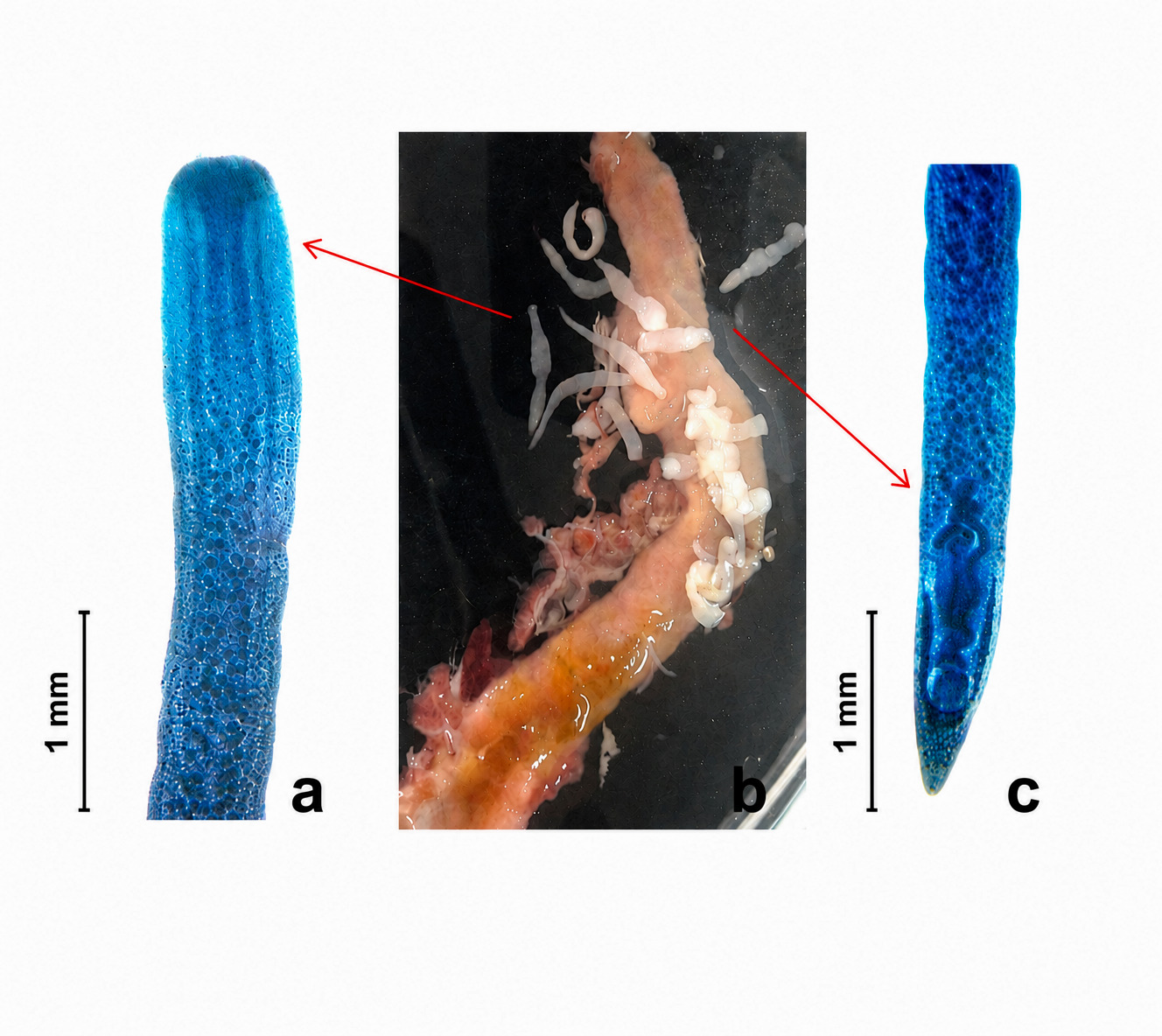
Of the 98 individuals of Squalius pursakensis (Hankó 1925) examined, 17 were found to be infected with cestode parasites located in the intestine of the studied host specimens (Figure 2b). The overall prevalence of infection was 17.34%. Based on detailed light microscopic examinations, the recovered cestode specimens were assigned to the order Caryophyllidea. Within this group, species identification was based on a combination of diagnostic morphological characters that clearly distinguish Caryophyllaeides fennica from other morphologically similar caryophyllidean cestodes. The specimens were identified as Caryophyllaeides fennica (Schneider, 1902) (Figure 2a–c) according to the original and subsequent redescriptions (Mackiewicz 1994, 2003).
**_anterior_part_of_caryophyllaeides_fennica_(scale_bar___1_mm)_(b)general_view_of_ca.png)
The identification was primarily supported by the presence of a single, unsegmented body with a distinctly cuneiform (wedge-shaped) scolex lacking bothria or acetabula (Figure 2a), which differentiates Caryophyllaeides species from members of other caryophyllidean genera such as Khawia or Atractolytocestus, which possess different scolex morphologies.
In addition, the ovary exhibited a characteristic inverted “A”-shaped configuration located posteriorly (Figure 2c), a key diagnostic feature of C. fennica that distinguishes it from congeners and other caryophyllidean taxa with H-shaped or lobed ovaries. The presence of postovarian vitelline follicles extending posterior to the ovary further supports the identification, as this feature is consistent with descriptions of C. fennica and absent or differently arranged in closely related species (Mackiewicz 1994, 2003). Taken together, the combination of scolex shape, ovarian morphology, and vitelline follicle distribution provides a reliable set of characters for species-level identification and excludes confusion with other caryophyllidean cestodes reported from cyprinid fishes.
In terms of general infection levels, 181 individuals of C. fennica were recovered from 17 infected host fish. The mean intensity and abundance were 10.64 ± 10.21 parasites per infected fish and 1.84 ± 5.79 parasites per examined fish, respectively. The minimum and maximum numbers of parasites per infected host were 1 and 29, respectively.
Distribution and Infection Values of Caryophyllaeides fennica with Respect to Season
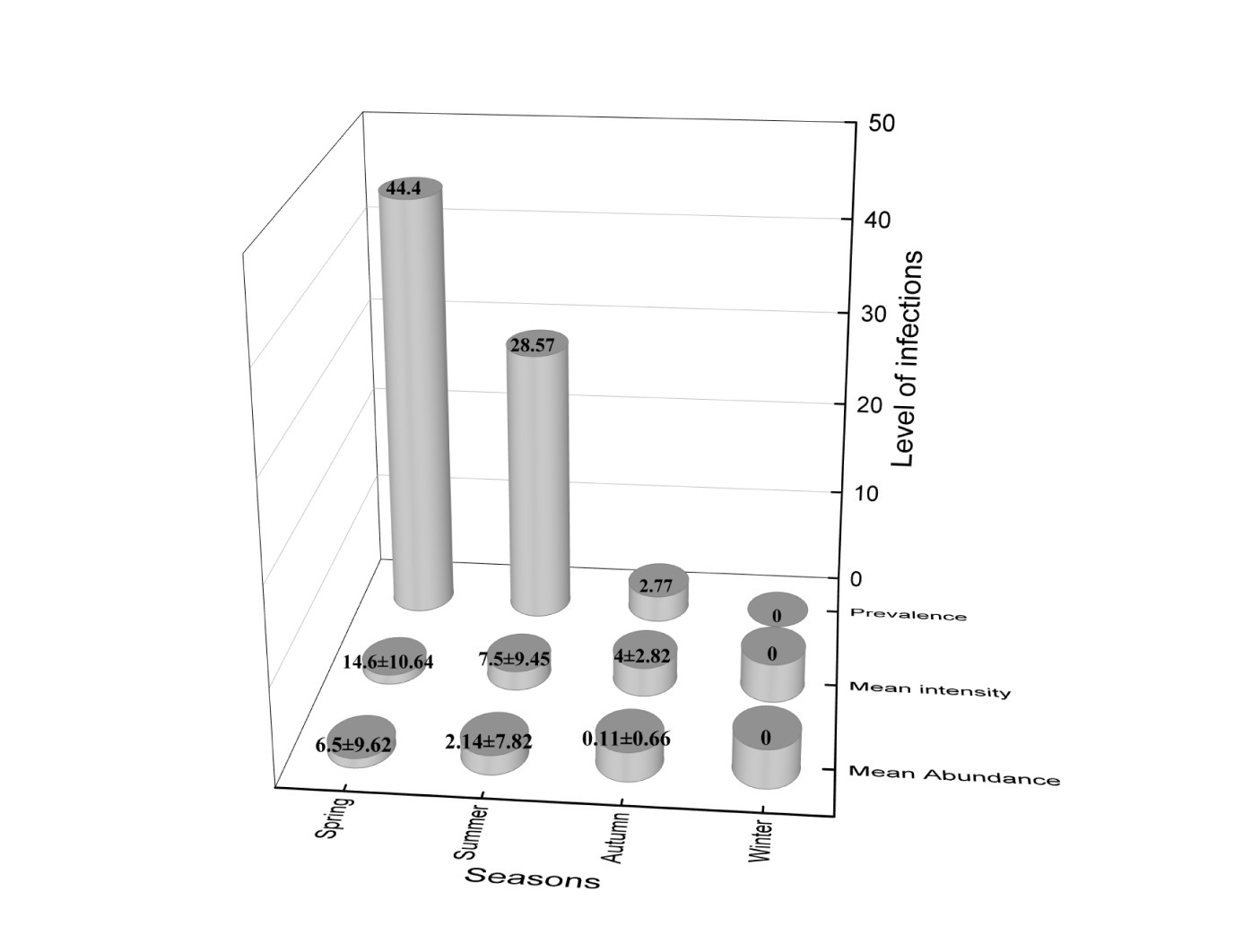
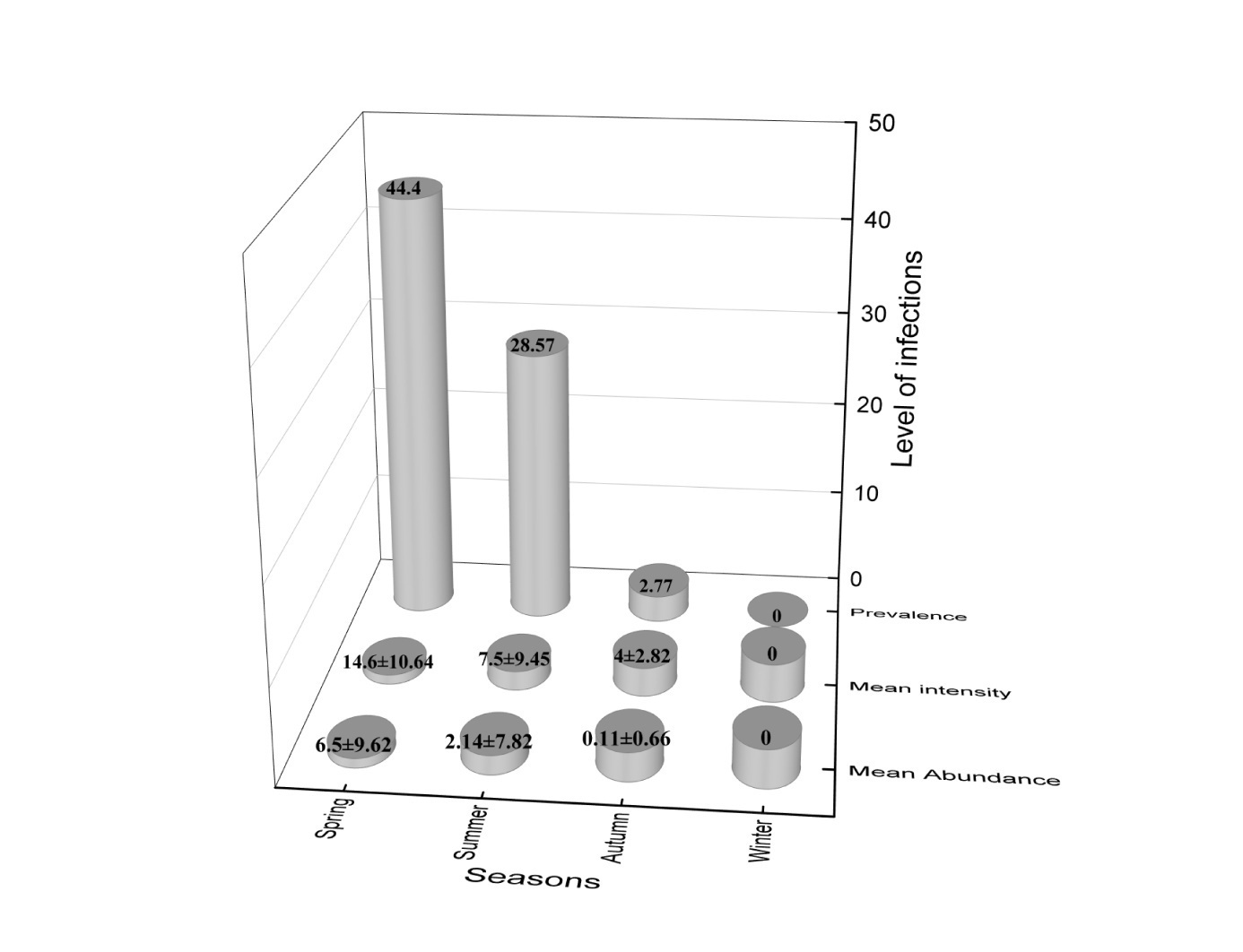
Seasonal variation in the infection levels for Caryophyllaeides fennica (Schneider 1902) in Squalius pursakensis (Hankó 1925) from the Sarısu Stream are summarized in Figure 3. Seasonal prevalences of infection varied between 0 and 44.44% (Figure 3). This species was not detected in the winter samples. In spring 2023, 8 out of 18 examined fish were parasitised by this species, corresponding to the highest observed seasonal prevalence (44.44%) (Figure 3). The highest mean intesity and abundanve values were also found in spring (Figure 3). In the summer of 2023, a total of 28 hosts were examined and the prevalence was found to be 28.57% during the sample period. Reaching a total number of 60, C. fennica was the host with mean intensity and mean abundance values of infection, with 7.5±9.45 and 2.14±7.82 cestodes per infected host, respectively (Figure 3). In autumn, C. fennica was detected in only one fish, with four parasites recovered (Figure 3).
The statistical significance of the differences observed in number of C. fennica in different seasons was calculated using Mann-Whitney U-test. It showed that there was a significant difference between infection in summer and winter (p = 0.014, U = 107.500), between spring and summer (p = 0.039, U = 132.500) and when comparing spring and autumn (p < 0.001, U = 76.000).
Distribution and Infection Values of Caryophyllaeides fennica with Respect to the Sex* of *Fish Host
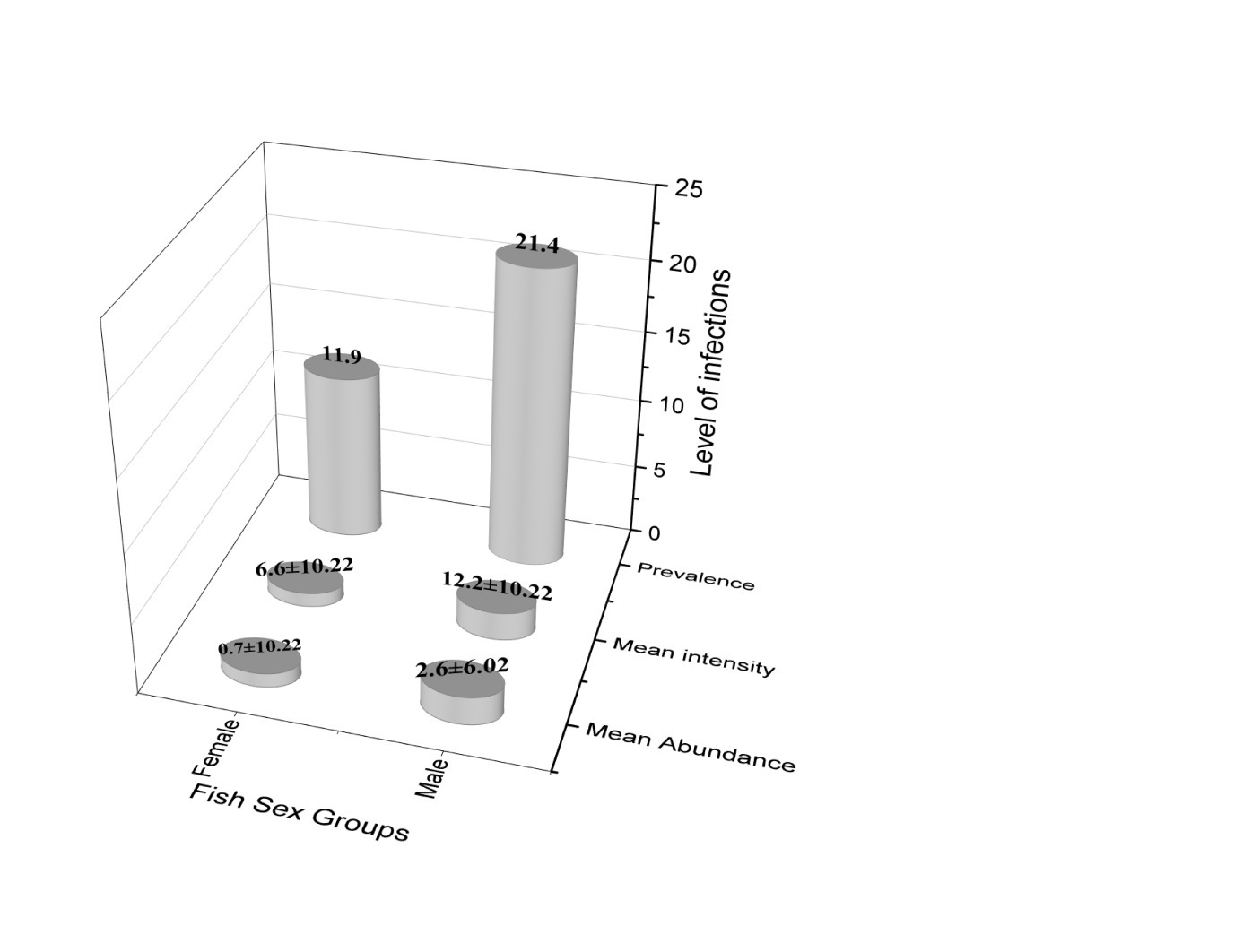
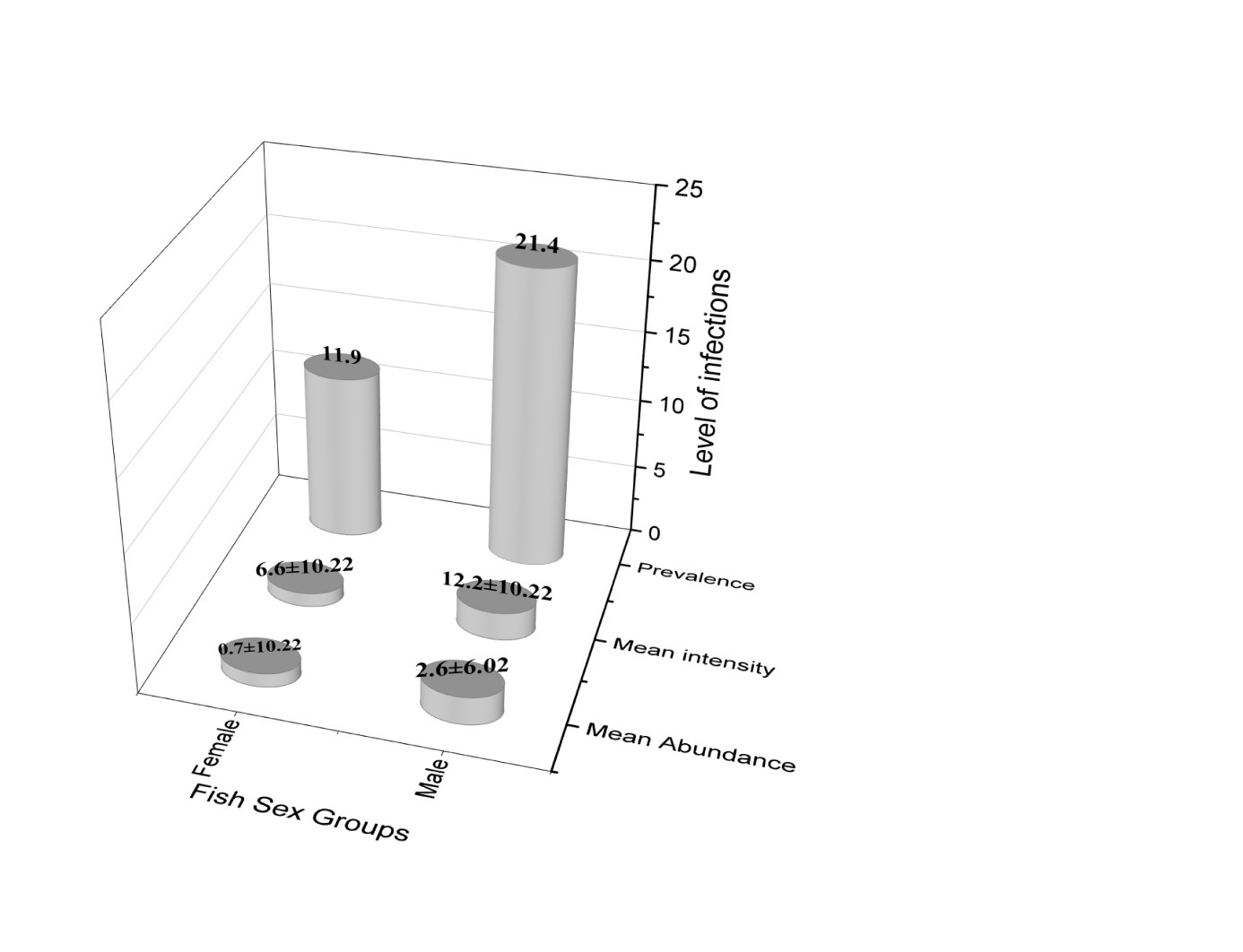
Of the 98 specimens of Squalius pursakensis (Hankó 1925) that were collected, 56 were male and 42 were female. Differences in infection levels by Caryophyllaeides fennica (Schneider 1902) according to sex groups of S. pursakensis were evaluated for both male and female individuals (Figure 4). Male individuals of the host fish were the most infested by this parasite at sampling station. A total of 147 specimens of C. fennica were recovered from 12 0f 56 male individuals of S. pursakensis (21.42%). Its mean intensity and abundance values in male’s individuals of the host fish were recorded as 12.25±10.72 (parasite/fish), 2.62±6.98, respectively (Figure 4). C. fennica was found in 5 of 42 female fish examined, with prevalence, mean intensity and abundance of infection of 21.42%, 6.80±8.64.3 parasite/fish and 0.80±3.50, respectively. The prevalence, mean intensity and abundance values of infection were higher in males when compared to females (Figure 4). Moreover, there was a statistically significant sex – related difference in the number of this species based on Mann – Whitney U test (p= 0.011, U= 4815.5).
Distribution and Infection Values withCaryophyllaeides fennicaby the Length of Fish Host
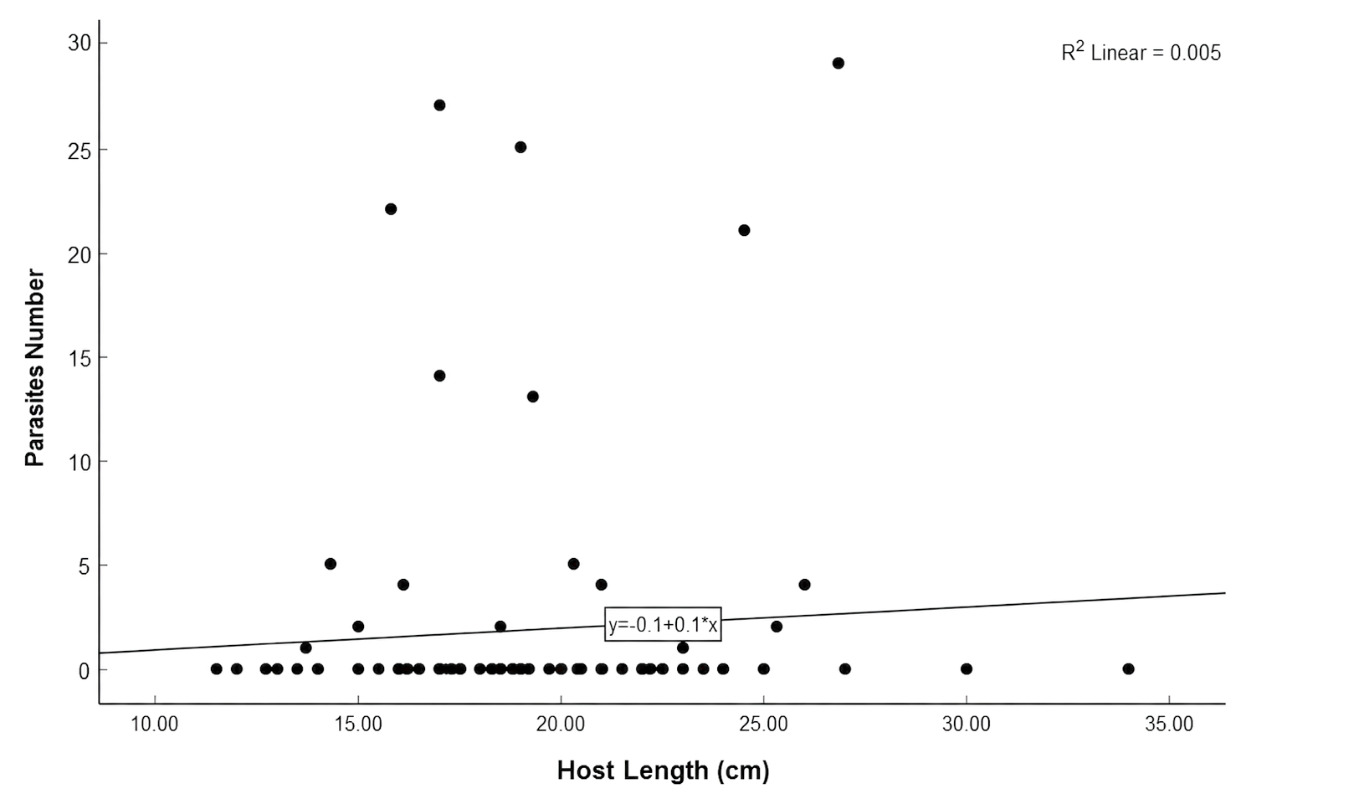
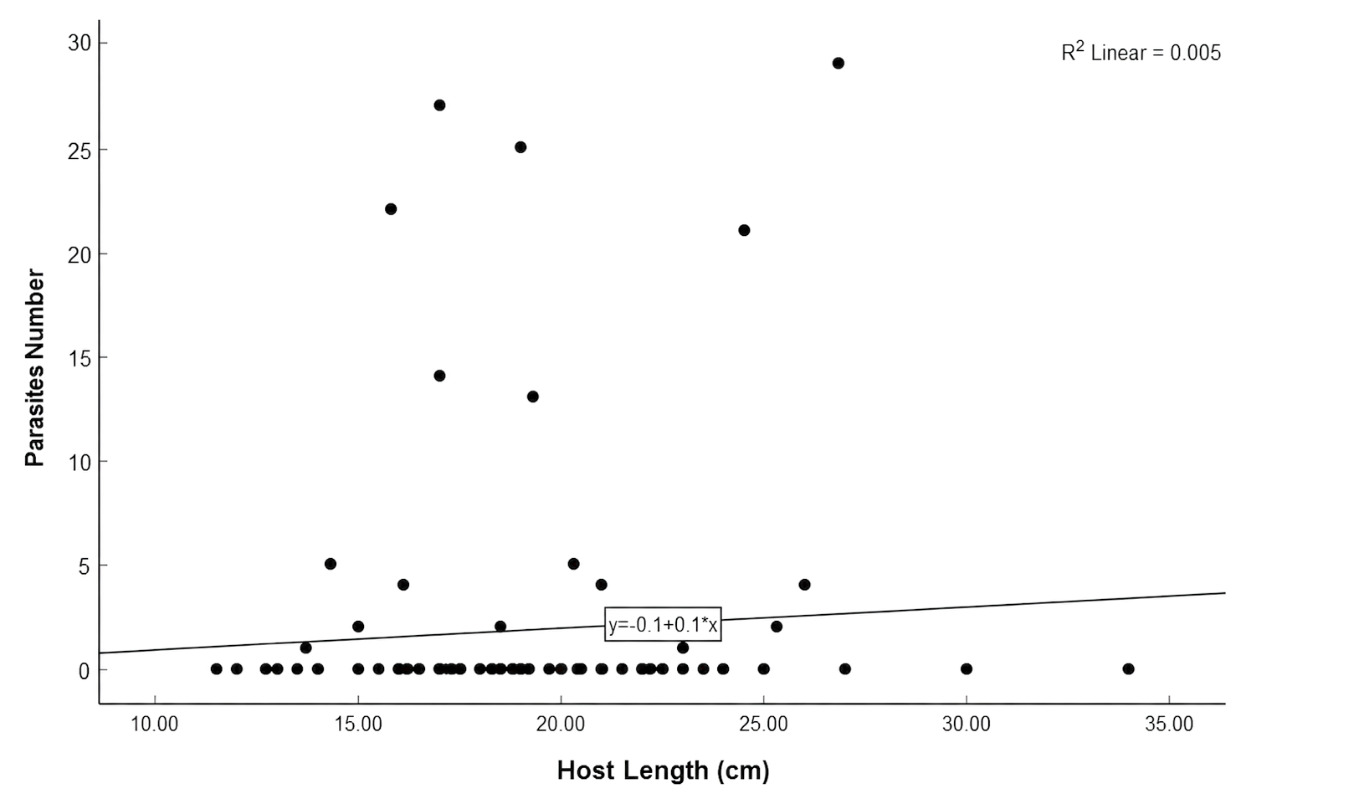
The specimens of Squalius pursakensis (Hankó 1925) in the body length range of 11.5–34.00 ± 4.15 cm were analyzed to evaluate the relationship between host body length and the infection values of the caryophyllidean cestode Caryophyllaeides fennica (Schneider 1902) (Figure 5). Infection values tended to increase with increasing host body length, and the highest parasite burden was recorded in a host specimen with a total length of 26.8 cm, harboring 29 individuals. However, statistical analysis revealed a weak and statistically non-significant relationship between the number of C. fennica and the body length of S. pursakensis (r = 0.145, p = 0.579) (Figure 5).
Histopathological Changes Caused by the scolex of Caryophyllaeides fennica
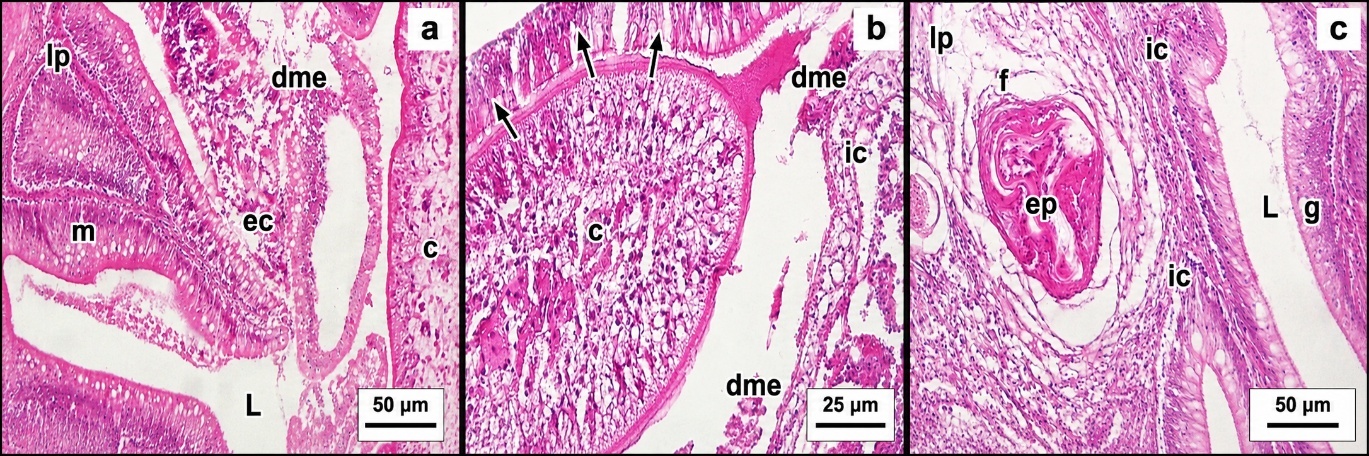
It was determined that the parasite provided intensive penetraiton in the intestinal tissue; parasites that did not attach to the intestinal tissue caused atrophy in particular; and parasites that did attach caused serious destruction in the mucosal epithelium (Figure 6a, b). In both cases, the presence of inflammatory cells was observed in the parasite-host tissue interaction (Figure 6a,b,c). It was noted that the goblet cells were depleted at the sites where the parasite attached.
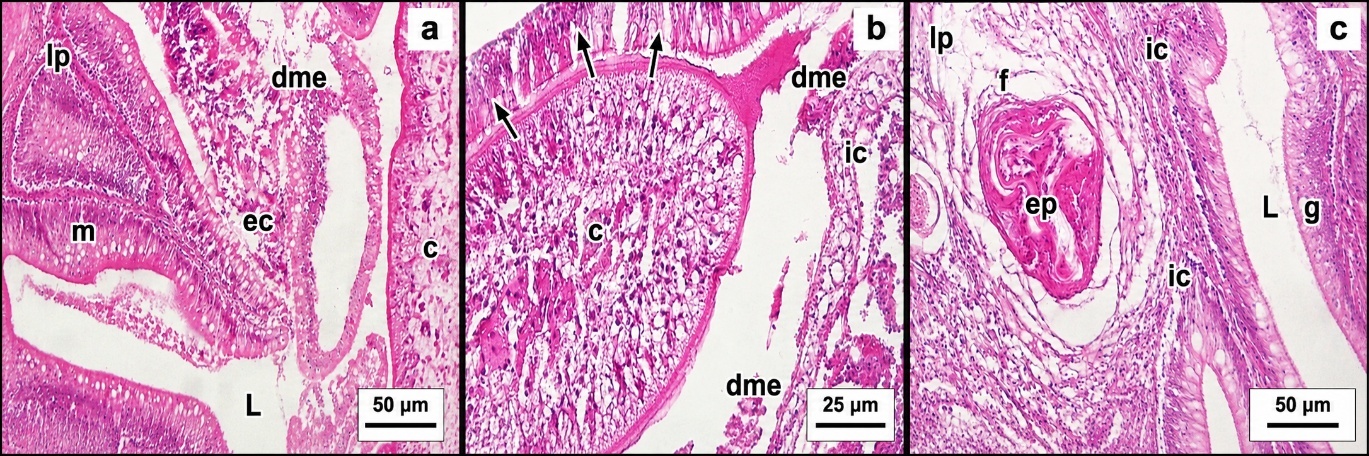
Histopathologically, these alterations indicate that Caryophyllaeides fennica exerts a pronounced mechanical and pathological effect on the intestinal tissue of Squalius pursakensis. The firm attachment and penetration of the scolex into the mucosal epithelium resulted in epithelial sloughing, disruption of mucosal integrity, and damage extending to the lamina propria. Such tissue destruction was consistently associated with inflammatory cell infiltration, suggesting an active host immune response at the parasite attachment sites.
To date, although several ichthyohelminthological studies (N. Aydogdu 2023; Nejat et al. 2023; Innal et al. 2020) have been conducted on the helminth parasites of Squalius pursakensis (Hankó 1925), Caryophyllaeides fennica (Schneider 1902) has not been recorded in any of these studies. So far, only three fish host species are known for C. fennica and its synonym C. fennicus in Türkiye (Özer 2021). The present study represents the first record of C. fennica infecting S. pursakensis in Türkiye. S. pursakensis is a new host for this parasite species, thus increasing the number of host fish representatives to four in Türkiye. Moreover, the Sarısu Stream is a new habitat for C. fennica from S. pursakensis.
To date, 30 cestode species have been reported from freshwater fish in Turkish inland waters (Özer 2021), yet only two of these have been the subject of histopathological investigation (Aydogan et al. 2018; Güçlü et al. 2021). Although C. fennica has been reported in various cyprinid hosts worldwide (Zhokhov et al. 2003), information on the pathological consequences of this parasite on host intestinal tissues remains extremely limited. The depletion of goblet cells observed in areas penetrated by the parasite is of particular pathological significance. Goblet cells play a key role in mucus production, which forms a protective barrier against mechanical damage and pathogen invasion. Their apparent depletion suggests impaired mucus secretion, potentially weakening the intestinal barrier and facilitating deeper penetration of the parasite, as well as increasing susceptibility to secondary infections.
Histopathologically, the penetration of the parasite with its scolex into the deeper layers of the host intestinal wall, destruction of the mucosa and lamina propria, together with the presence of inflammatory cells, as reported for other cestode species (Molnár et al. 2003; Barčák et al. 2021; Dezfuli et al. 2024), were also detected in the present study. Intestinal helminth infections are known to be characterized by the accumulation of inflammatory and immune-related cells, including eosinophilic cells, goblet cells and neutrophils, within the digestive tract (Scholz et al. 2021).
In the present study, inflammatory cell infiltration was predominantly localized around areas of epithelial damage and parasite attachment, indicating a localized host defense response. Such inflammatory reactions may contribute to tissue remodeling and further compromise intestinal functionality, including nutrient absorption efficiency and epithelial regeneration.
Taken together, the observed histopathological alterations suggest that C. fennica infection may have substantial negative implications for intestinal health in S. pursakensis, potentially affecting host fitness through impaired digestion, weakened mucosal defense, and sustained inflammatory stress.
Prevalence, mean intensity and abundance of C. fennica with respect to season was also examined, with the highest infection levels in spring and the lowest in autumn whereas, winter season was free of cestode infection (Figure 3). Many works have been conducted on occurrence of the cyclophyllidean cestode, C. fennica in various freshwater fishes in Türkiye, its neighbours and the other European countries ( e.g., Öztürk and Altunel 2001; A. D. Kirin 2001; Zhokhov et al. 2003; Rolbiecki 2003; D. Kirin et al. 2013, 2020; Elbay 2014; Mhaisen and Abdullah 2017; N. Aydogdu and And 2025; Zaharieva et al. 2024 etc.).
Seasonal differences in parasite infection are ecologically important because they reflect interactions between parasite life-cycle dynamics, host biology, and environmental conditions (Poulin 2007; Scholz et al. 2021). Caryophyllaeid cestodes, including C. fennica, possess an indirect life cycle involving aquatic oligochaetes as intermediate hosts and freshwater fish as definitive hosts (Scholz et al. 2021; Kennedy 2006). Seasonal changes in water temperature, organic matter availability, and sediment structure strongly influence oligochaete population density and infection rates, thereby affecting transmission success to fish hosts (Rolbiecki 2003; Simkova et al. 2005; Bari et al. 2015).
Some studies have reported the highest infection levels during spring followed by summer, with reduced prevalence in autumn and absence during winter (Rolbiecki 2003; N. Aydogdu and And 2025), whereas others have observed contrasting seasonal peaks (Öztürk and Altunel 2001; Elbay 2014). Such discrepancies among studies are commonly attributed to differences in host species ecology, local environmental conditions, and the timing of intermediate host availability rather than intrinsic differences in parasite biology alone (Kennedy 2006; Poulin 2007).
The spring peak of C. fennica infection observed in the present study may be explained by increased feeding activity of Squalius pursakensis following winter dormancy, coinciding with elevated availability of infected oligochaetes. In addition, spring represents a critical reproductive period for many cyprinid fishes, during which hormonal fluctuations and energetic investment in reproduction may lead to transient immunosuppression, increasing host susceptibility to parasitic infections (Folstad and Karter 1992; Klein 2004; Rohlenova and Simkova 2010). The seasonal dynamics of helminth infections in freshwater fishes are known to depend on parasite species, host species, and habitat-specific environmental factors (Rolbiecki 2003; Bari et al. 2015). Transmission success is further influenced by host feeding strategies, diet composition, immune status, and the seasonal presence of infective stages within intermediate hosts (Simkova et al. 2005; Burgmer et al. 2007; Mehdi et al. 2021).
From a broader ecological perspective, seasonal presence of intestinal cestodes may also affect host behavior and fitness. Although not evaluated in the present study, parasite-induced behavioral alterations such as reduced swimming performance, altered habitat use, or increased risk-taking behavior have been reported in fish–helminth systems and may enhance host vulnerability to predation (Poulin 1996; Barber et al. 2000; Lafferty and Morris 1996). Such effects could facilitate parasite transmission through trophic interactions within aquatic food webs, a hypothesis that merits further investigation for C. fennica.
To sum up, differences in seasonal variability of C. fennica infection are likely driven by a combination of parasite life-cycle characteristics, host biological traits, and environmental conditions. Although the relative contribution of each factor cannot be disentangled within the scope of the present study, the observed seasonal patterns are consistent with established ecological theory on helminth transmission dynamics in freshwater ecosystems (Kennedy 2006; Poulin 2007).
Since the general trend is that host sex is an important bioticfactor in determining the host-parasite relationship, detailed analysis of the effect of host sex on the level of prevalence and intensity of infection for endohelminth parasite specimens has been conducted in many studies (Ramadan 1991; Poulin 1996; Kurupınar and Öztürk 2009; Rohlenova and Simkova 2010; Vankara et al. 2011; Mjakakhamis et al. 2017; Calhoun et al. 2018; Carpenter and Herrmann 2020, etc. ). Mjakakhamis et al. (2017), one of the authors mentioned above, recorded a higher rate of cestode infection in male fish than in female fish. The present work showed male individuals of the host fish were the most infested by C. fennica at sampling station, and the prevalence, mean intensity and abundance values of infection were higher in males when compared to females (Figure 4). In this context, only one report could be found on the effect of host sex on the prevalence and intensity of infection in C. fennica in the same country (Türkiye) (Aydogdu and Torcu Koc, 2024). Current findings confirm the study of N. Aydogdu and And (2025) who recorded in male Squalius cii to have the highest prevalence and mean intensity of this parasite species from the Susurluk basin from the Northwest region of Türkiye. Additionally, current findings also confirm the study of Folstad and Karter (1992), Aloo et al. (2004), Klein (2004), Oniye et al. (2004), Garcia et al. (2008), Rohlenova and Simkova (2010), Hockley et al. (2011), Omeji et al. (2013), Sultana and Salam (2015), Gautum et al. (2018). Thompson and Kavaliers (1994) also observed male fishes with higher endohelminth infection than the females. Contrary to above, Açıkel and Öztürk (2016) recorded those female fishes are more prone to caryophyllaeid parasites than the males. However, some of the studies have recorded no sex related differences in parasitic caryophyllaeid burden (Kurupınar and Öztürk 2009; Vankara et al. 2011; Olurin et al. 2012). Some of the above-mentioned researchers (e.g., Klein 2004; Garcia et al. 2008; Rohlenova and Simkova 2010; Hockley et al. 2011; Mjakakhamis et al. 2017; N. Aydogdu and And 2025) reported that male fish individuals have higher prevalence and intensity of endohelminth parasites than female fish.
They attributed the difference in the degree of infection; to the feeding habits of the two sexes in relation to the quantity or quality of feed, immunity, morphological, behavioral, physiological, genetic, ecology differences, higher reproductive investment and concentration of testosterone of the males during spawning, as well as the activeness and aggressiveness of the male, which give them an advantage over the female hosts in search for food.
Results of the present study indicated that those male fishes are more prone to C. fennica than the females. Little is known about what might make this cestode parasite more likely to infect the opposite sex. Therefore, a comparative analysis could not be provided since there were not enough reports on the effect of sex on the infection parameters of this cestode parasite in fish specimens. Thus, no conclusion can be drawn except that C. fennica infects male fish individuals at a higher prevalence and intensity than female fish.
In the present study, there were also differences between infection values of C. fennica and the length of S. pursakensis. The number of this cyclophyllidean cestode parasites increased with increasing length of individuals of the host fish a significant but weak correlation ((r = 0.145, p = 0.579) (Figure 5).
In the present study, the maximum parasite number was found in the host fish with total length of 26.8 cm (29 individuals). In this context, the general trend is that a positive correlation exists between total number of parasites per host and host length. This was illustrated by Öztürk and Altunel (2001), Elbay (2014), N. Aydogdu and And (2025) who found that infection of C. fennica increases with the length of the fish. Likewise, Açıkel and Öztürk (2016) stated that infections caused by tapeworms from the same family as C. fennica increase with the length of the fish. Many investigations have shown that endoparasitic helminth numbers in fish hosts increase with host length (e.g., Kennedy and Hinne 1969; Noble and Noble 1982; Karanis and Taraschewski 1993; Khanum and Parveen 1997; A. Aydogdu et al. 2003; Shakir et al. 2006; Gning et al. 2008; D’Silva et al. 2012; Amare et al. 2014; Mgbemena et al. 2020). The above authors stated that the length of the host body is important in determining the parasite burden. They concluded from their study that endoparasitic helminth numbers are likely to be positively correlated with host body length. They point out that this difference can reasonably be attributed to: Firstly, as the fish grows, the probability of parasite larvae accumulating each year increases, meaning that fish remain in contact with the environment where helminth parasites are intermediate hosts for longer periods of time. Secondly, as the host fish individuals increase in size, different organs of the host body have larger surface area for helminth parasites and more niches become available for colonization (e.g., intestine). Thirdly, as host fish individuals grow, they change their behaviour, habitat preferences and diet; many shift their diet content from phytoplankton to zooplankton, snails, worms and insects, which serve as intermediate hosts for many parasites. This increases their chances of acquiring helminths when they grow, and the abundance and richness of parasites increases in larger fish. Finally, host habitat and feeding strategy are important among fish of different sizes, as larger fish have the ability to explore a more diverse habitat exposing them to different food sources, resulting in a higher degree of helminth infestation in larger fish compared to smaller fish. The author think that the increasing in the number of C. fennica with the length of host fish in the present study is attributable to one or more of the factors mentioned above
CONCLUSIONS
In this study, a total of 98 individuals of the endemic fish species S. pursakensis were examined to determine the presence of naturally infecting caryophyllaeid tapeworm communities. Only one caryophyllaeid parasite species was found and identified in the intestine of the studied host fish specimens: Caryophyllaeides fennica. To the best of our knowledge, current literature indicates that no previous histopathological studies have been conducted on C. fennica ahead of this study. With this study, histopathological changes caused by C. fennica invading the intestinal mucosal epithelium in cyprinoid fish species have been described for the first time. In addition to these study findings, the host fish represents a new host record for the caryophyllaeid parasite species and thus, new knowledge has been contributed to the geographical distribution and host range of this helminth species. Furthermore, this study provides additional insight into how the infection parameters of this species vary with seasons and host fish length and sex. C. fennica exhibited the highest prevalence value in spring. This parasite species was found in greatest number in a host fish with a total length of 26.8 cm (29 individuals), compared to the rest of the sampled fish. The prevalence, mean intensity and abundance values of infection were higher in males when compared to females.
Ethical statement
No ethical approval was required, as this study did not involve clinical trials or experimental procedures. During the study, no treatment/ experiment was implemented on live animals. All sampling and laboratory work on fish have complied with the Republic of Turkey Ministry of Agriculture and Forestry animal welfare laws