
Introduction
The Eastern oyster, Crassostrea virginica, constitutes an important commercial fishery along the East coast of North America. This species is found from the Gulf of Mexico all the way to Newfoundland. Consumer demand has permitted the development of a thriving oyster aquaculture industry along much of this range. In Maine, the value of Eastern oyster production peaked at just over $10 million in 2019 (Maine Department of Marine Resources 2019). About 70% of the total production of harvested oysters in Maine, USA comes from the Damariscotta River Estuary (Maine Department of Marine Resources 2019). Unfortunately, disease issues have become a major concern to the industry. One particular disease affecting the Eastern oyster is known as MSX (multinucleated sphere unknown) and is caused by the haplosporidian parasite, Haplosporidium nelsoni.
MSX was first discovered in the spring of 1957 in Delaware Bay and then two years later in the Chesapeake Bay. The parasite has shown devastating effects on both cultured and wild oysters, killing 90-95% of the oysters it infects (Haskin and Andrews 1988). Since the discovery of the parasite, its range has expanded as far north as Canada (Stephenson et al. 2003). The complete life cycle of the parasite remains unknown, making the parasite difficult to manage. Provisional life cycles are published (Couch et al. 1966; Farley 1967; Perkins 1988) but because the disease has not been successfully transmitted from infected oyster to naïve oyster, the infective stage is still unknown. With concerns that MSX was moving into Maine’s oyster industry, a survey was performed in 1990 measuring the prevalence in the Damariscotta River Estuary, Maine, USA. At this time, results showed that MSX was not at epizootic levels (overall prevalence was less that 2.5%). In the summer of 2010, high levels of mortalities were observed in the Damariscotta River Estuary (M. Nelson, DMR, pers. comm February 2014). At this time the Department of Marine Resources (DMR) in Maine confirmed the presence of MSX in several commercial oyster operations. The survey performed by the DMR in the spring 2011 also confirmed the high prevalence (>50%) of MSX at various sites throughout the river, especially within the commercial oyster operations (M. Nelson, DMR, pers. comm., February 2014). This survey included both cultivated oysters and wild oysters.
In the summer of 2012, we conducted a survey of the commercial and natural bed populations within the Damariscotta River Estuary (Messerman et al. 2014). This study investigated the prevalence of MSX in one commercial oyster site and two natural oyster beds located in the Damariscotta River Estuary, using histology and a PCR-based assay specific for MSX. Over a 3-month period (August-October 2012), a total of 316 oysters were surveyed. MSX was prevalent at every site and at all time points. At some sites prevalence was as high as 50%.
At the same time, biofouling organisms associated with the commercial operations were sampled with the intent of looking for the presence of MSX to see which, if any, biofouling species may be acting as a reservoir host and/or harboring the parasite (Messerman and Bowden 2016). Organisms collected included tunicates, gastropods, polychaetes and arthropods, as well as plankton samples from the surrounding water column. A quantitative PCR (qPCR) assay for H. nelsoni using a TaqMan minor groove binder (MGB) probe, which was originally developed for detection of the parasite DNA in oysters, was applied to biofouling species. H. nelsoni DNA was present in up to 70% of tunicate samples and about 30% of plankton samples. The highest parasite DNA copies (averaging 4x10⁴ copies) were detected in tunicates identified as Styela sp., which have been recognized as invasive species in many coastal areas. This study provided evidence for the presence of potential reservoir species that occur close to commercial oyster operations. Reduction or removal of these species might reduce the infectious pressure of this parasite on commercial operations.
Another study was conducted in the summer of 2014 at discrete locations within Maine and tested for the presence of H. nelsoni, Perkinsus marinus, Perkinsus chesapeaki, Toxoplasma gondii and Cryptosporidium parvum (Marquis et al. 2015). This included a site within the Damariscotta River estuary but located much closer to the sea than our previous study sites. In this survey, oysters from Jones Cove (Damariscotta River Estuary) reached a prevalence of 65.2% for P. marinus and 43.5% for P. chesapeaki. This indicated a 65-fold and 15-fold increase of the prevalence, respectively, over a period of 12 years. It also reported a prevalence of 26.1% for H. nelsoni indicating a possible fall in the prevalence from our previous 2012 study to the sample point of this study in 2014. The Damariscotta sample site did not test positive for T. gondii and C. parvum. A subsequent survey published in 2019 tested two sites in the Damariscotta River estuary, Jack’s Point and Prentiss Island, and found both Toxoplasma gondii and Cryptosporidium parvum present (Marquis et al. 2019).
We conducted further prevalence studies in 2014 and 2016 (Dickey et al. 2017). Once again, we found the continued prevalence of the parasite within both the wild and commercial populations. This study showed prevalence at up to 53%, indicating the continued presence of the parasite in both wild and cultivated oyster populations.
Finally, a more recent study conducted by Marquis et al. in 2016 and 2017 which looked at sites across Maine, including two sites in the Damariscotta River Estuary (Jack’s Point and Prentiss Island), reported prevalence of MSX at levels up to 48% (Marquis et al., 2020). This indicated that from 2012 until 2017, the prevalence of MSX in oysters remained significant, even if mortalities were not being associated with the presence of the parasite.
With an ever-changing environment (Balch et al. 2012), it is important to continue monitoring the prevalence and infection intensity of these oyster parasites, especially MSX, within the Damariscotta River Estuary. Such information will permit the development and implementation of appropriate management tools within the estuary to ensure continuation of both the natural bed stocks and the commercial operations. In this current study, the prevalence of MSX was once again surveyed in one commercial site and three natural beds. The selected natural beds demarcate the northern, central, and southern limits of the area that is the focus for the oyster farms within the Damariscotta River Estuary, ME.
Material and methods
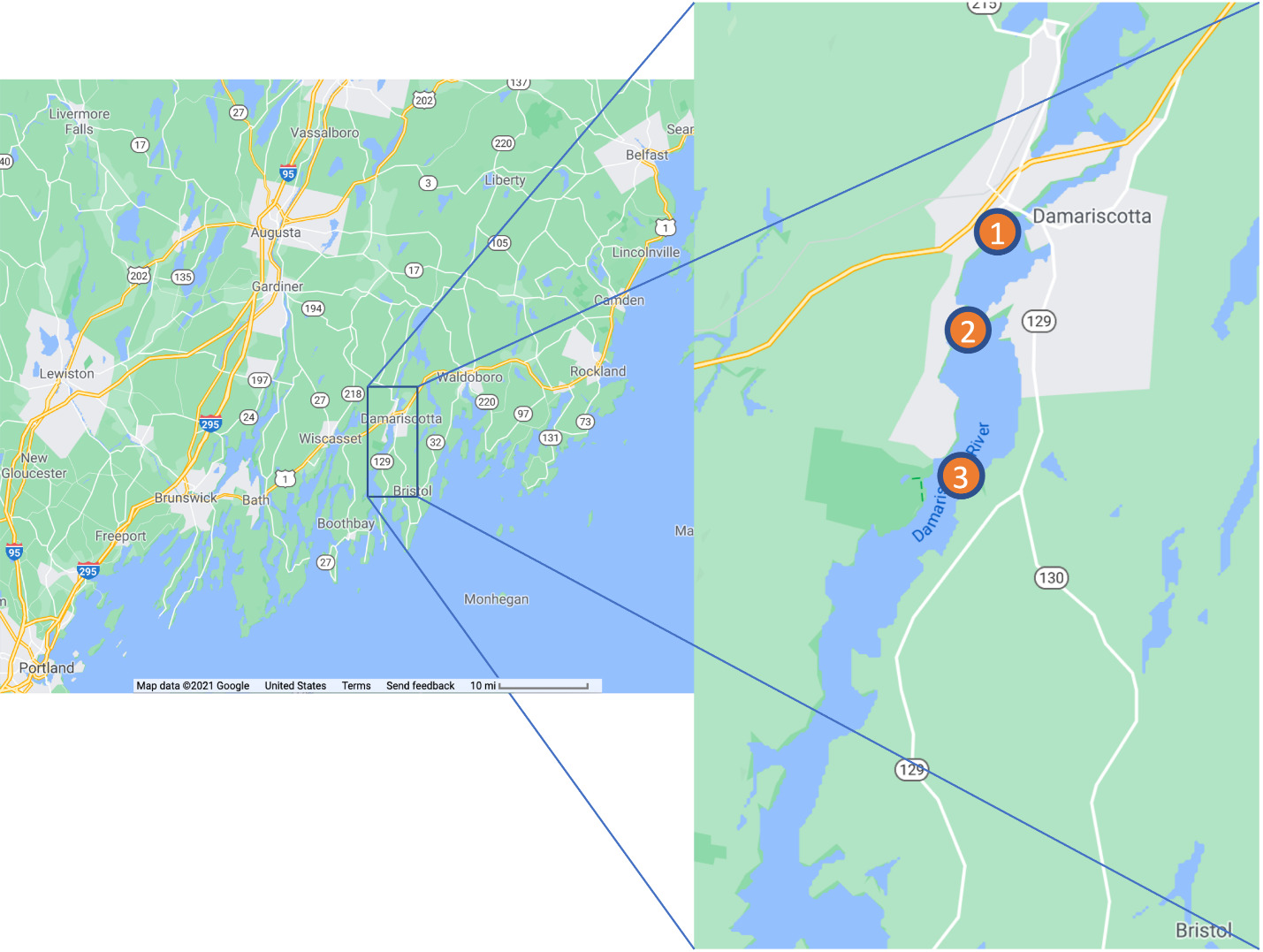
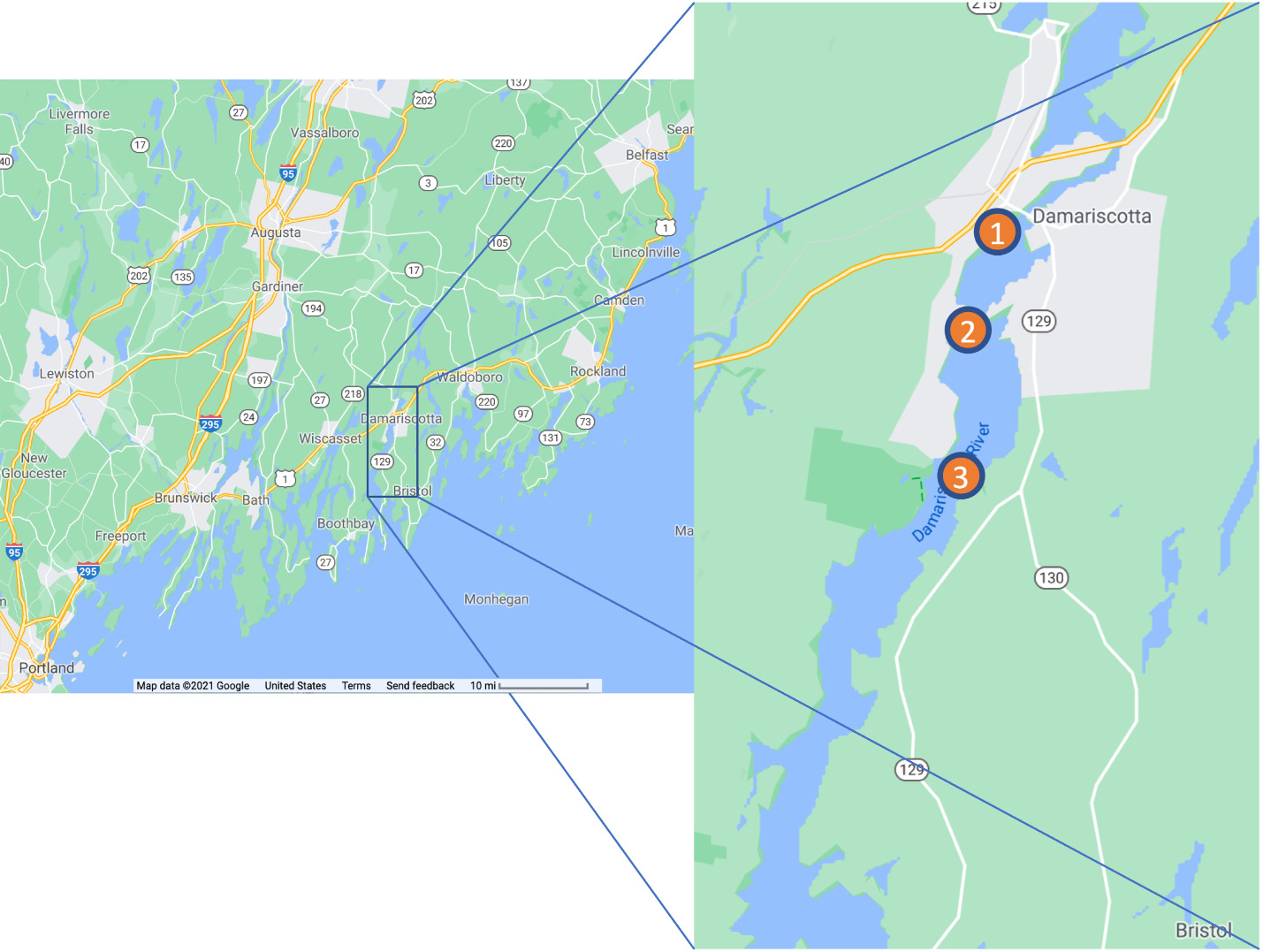
Oysters (Crassostrea virginica) were collected from 4 sites within the Damariscotta River Estuary, ME, USA. Samples were collected monthly from May 2019 until December 2019 (Figure 1). Three natural beds (Prentiss Island – the southern location, Hall Point – the central location, Jacks Point – the northern location) and one commercial site (Hall Point) were surveyed for parasite prevalence; mortality was not monitored. Between 30 and 40 individual oysters were randomly sampled from each location and at each time point. It became difficult to sample every natural site at every time point, due to the scarcity of available oysters in the natural bed locations. Oysters collected from the commercial site were identified by the grower as diploid H. nelsoni resistant seed belong to the NEH strain. The oysters sampled from the natural beds were of a similar size, approximately 60mm shell length, to the cultivated oysters. A total of 660 oysters were collected over the course of the 8-month survey period (May, June, July, August, September, October, November and December 2019).
Gill samples were taken from each animal for PCR analysis. Gill tissue samples were briefly rinsed in saline and preserved in 1.5 ml microcentrifuge tubes with 95% ethanol (EtOH) and stored at 4oC. After 72 hours, the EtOH was removed and replaced with fresh EtOH.
DNA from the gill tissue samples was extracted using the Chelex protocol as described by Aranishi and Okimoto (Aranishi and Okimoto 2006). Approximately 6 mg of tissue was weighed and then placed in 100 µl Chelex Buffer (4 M Urea, 1 µl Proteinase K, 5% Chelex, 1% Nonidet P-40 substitute, 1% Tween 20). Chelex buffer was preheated to 60oC before adding to the tissue. The samples were then incubated at 55oC for 1 hour. The samples were vortexed at the start of incubation and 30 minutes into the incubation period, and at the end of 1 hour. The samples were then incubated at 100oC for 8 min. The samples were then centrifuged at 15,000g for 5 minutes and 100 µl of the supernatant was transferred to a new 1.5 ml tube where 1 µl 100x TE buffer (pH 8.0), 50 µl 7.5M Ammonium acetate and 400 µl 95% EtOH were added to each tube. The samples were vortexed thoroughly and then centrifuged at 15,000g for 20 minutes to pellet the DNA. The supernatant was removed, leaving the DNA pellet. The pellet was washed with 200 µl of 70% ice cold EtOH and centrifuged at 15,000g for 5 minutes. These steps were repeated 2 more times for a total of 3 washes. The pellet was air dried at room temperature and resuspended in up to 100µl 1x TE buffer (10mM Tris-HCL, 0.1mM EDTA buffer). DNA concentrations (µg ml-1) were determined using a spectrophotometer (Biowave II, Biochrom, UK) and a Tray Cell nano cuvette (Hellma Analytics). Purified DNA was stored at -20oC.
The following primers were used to detect H. nelsoni MSX- A’ (5’-CGACTTTGGCATTAGGTTTCAGACC-3’) and MSX-B (5’-ATGTGTTGGTGACGCTAACCG-3’) which amplified a 572 bp sequence of the small subunit ribosomal RNA (SSU rRNA) gene from the parasite (Day et al. 2000). PCR reaction mix (20 µl) was created using SSOAdvanced PCR Master Mix (BioRad), nuclease free water, forward and reverse primers (10 mM), and 1.5 µl of DNA template. The PCR for each sample was conducted in triplicate. The reactions were cycled in a thermal cycler (Eppendorf) 94oC for 5 minutes and 30 cycles of 94oC for 60 seconds, 60oC for 50 seconds, 72oC for 29 seconds followed by 72oC for 29 seconds. The PCR product was evaluated on a 1.3% agarose gel and SYBR safe DNA (Life Technologies) gel staining (1% solution). The gels were run at 85V for 65 minutes and photographed under UV light (U:Genius, Syngene, UK). The prevalence (as a percentage of positive samples) based on PCR results was calculated per site at each of the time points surveyed.
To ensure that there was no inhibition and confirm the quality of the DNA all samples were re-run using Crassostrea virginica primers (forward primer 5’ AGTACCTGCCCAGTGCGACAATAA-3’ and reverse primer 5’-TCGAGGTGCCAAGCCCTTTAGTTA-3’) that amplified a 397 bp sequence of the C. virginica mitochondrial genome (PubMed accession number: AY905542.2). The cycling conditions were the same as the H. nelsoni PCR cycling conditions. In addition, a previously prepared cloned positive control was added to every PCR plate to confirm the PCR (Messerman and Bowden 2016). All reactions were conducted in triplicate.
Temperature and salinity data were collected and provided as part of a collaboration between Mook Sea Farm (Meredith White, Principal Investigator) and the University of New Hampshire Ocean Process Analysis Laboratory (Joe Salisbury, Principal Investigator). Additional data was downloaded from the Community Collaborative Rain, Hail and Snow Network (www.cocorahs.org) using Newcastle, Lincoln as the closest/optimal station (Station number ME-LN-1)
Results
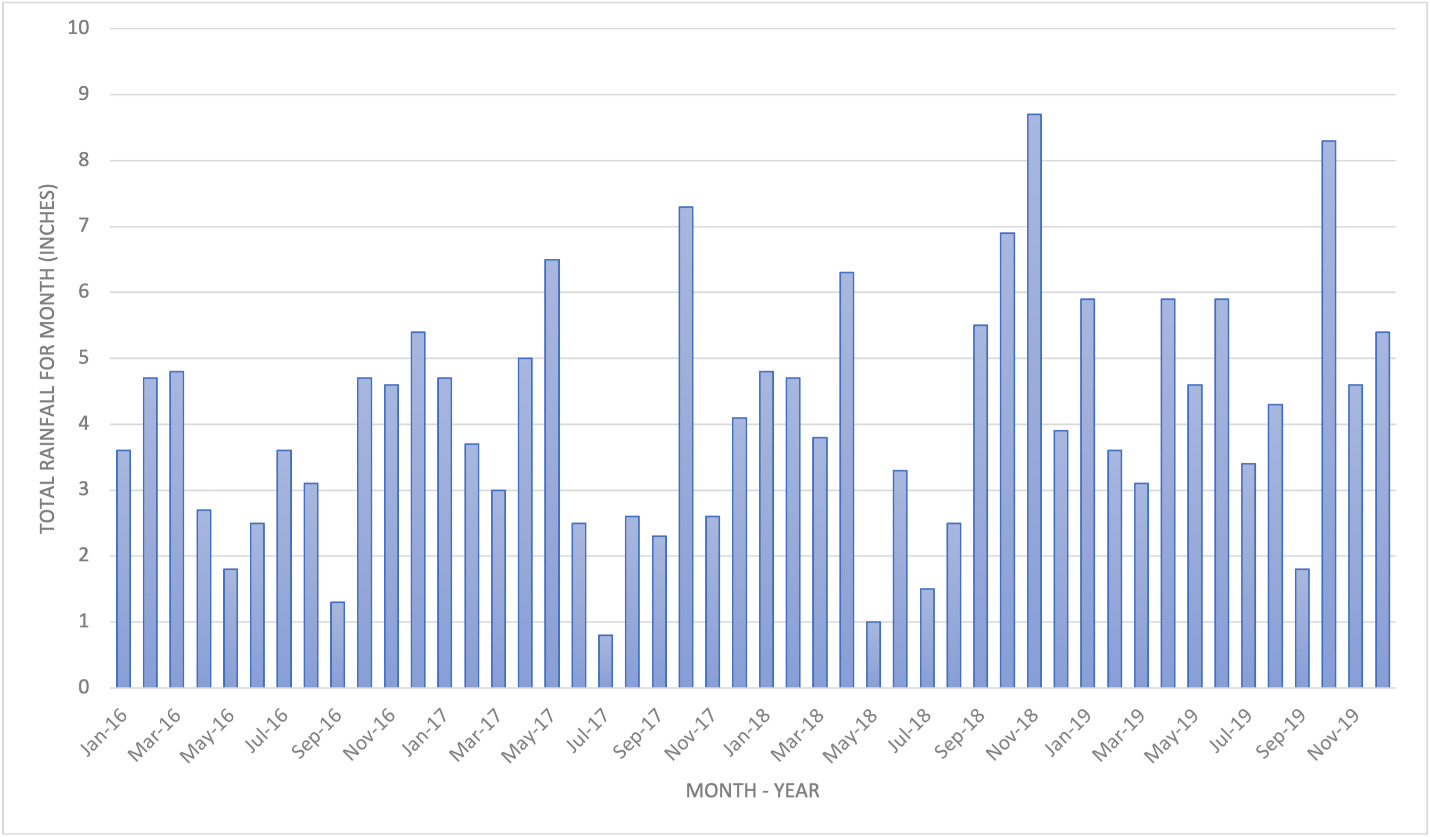
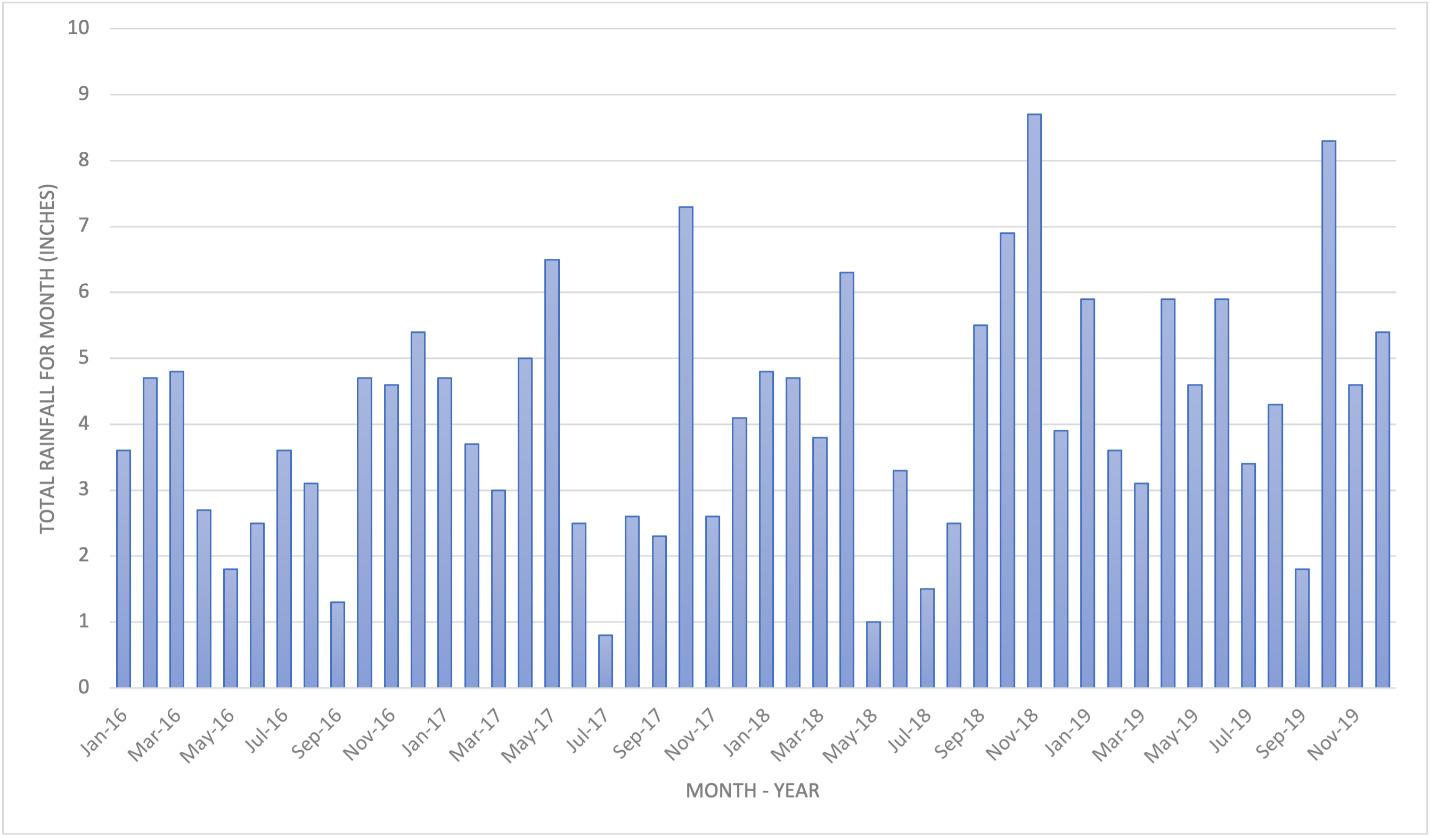
The sampling locations are indicated in Figure 1. Rainfall data for the Newcastle station obtained from Community Collaborative Rain, Hail & Snow Network (www.cocorahs.org) for the years 2016-2019, is shown in Figure 2.
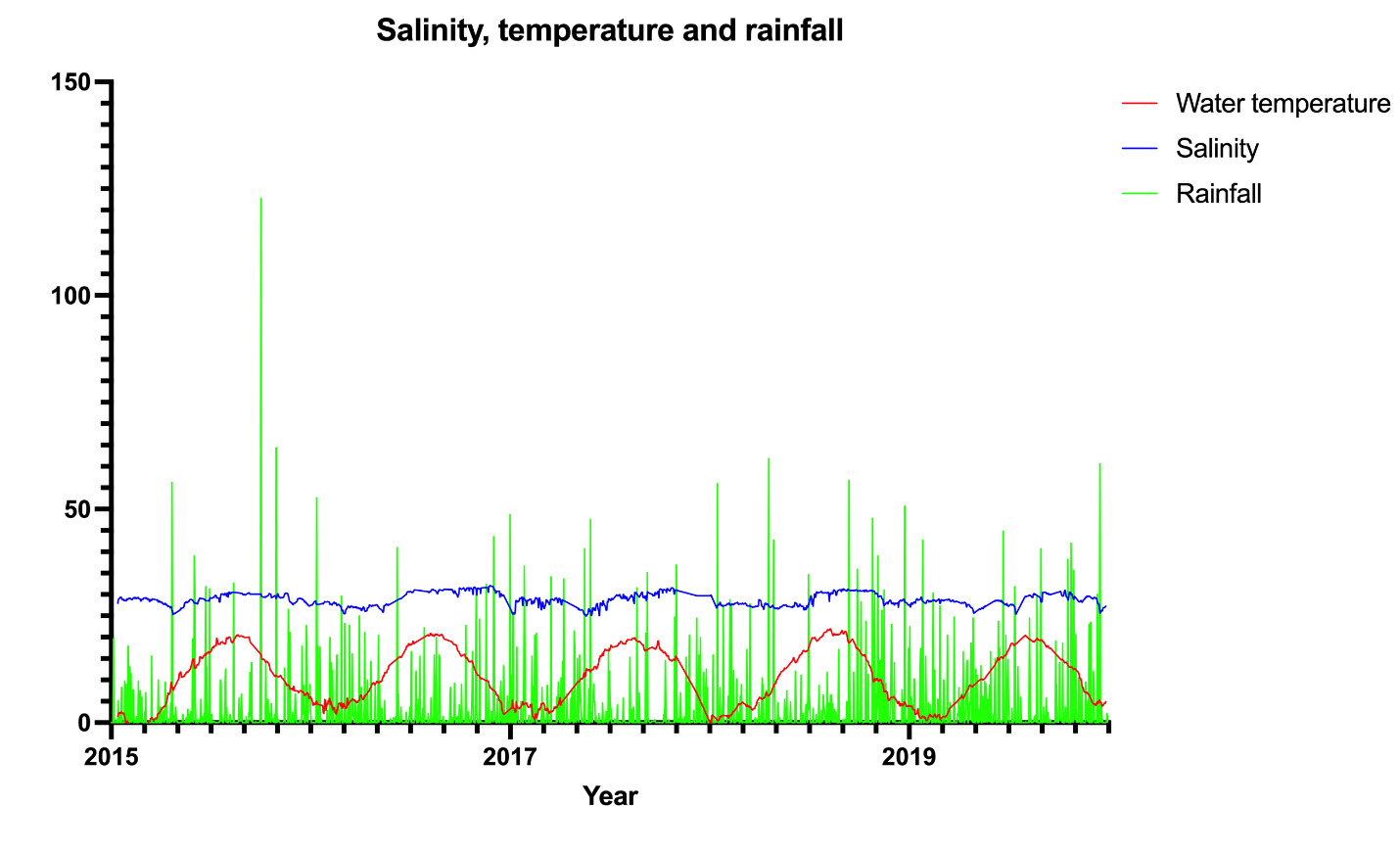
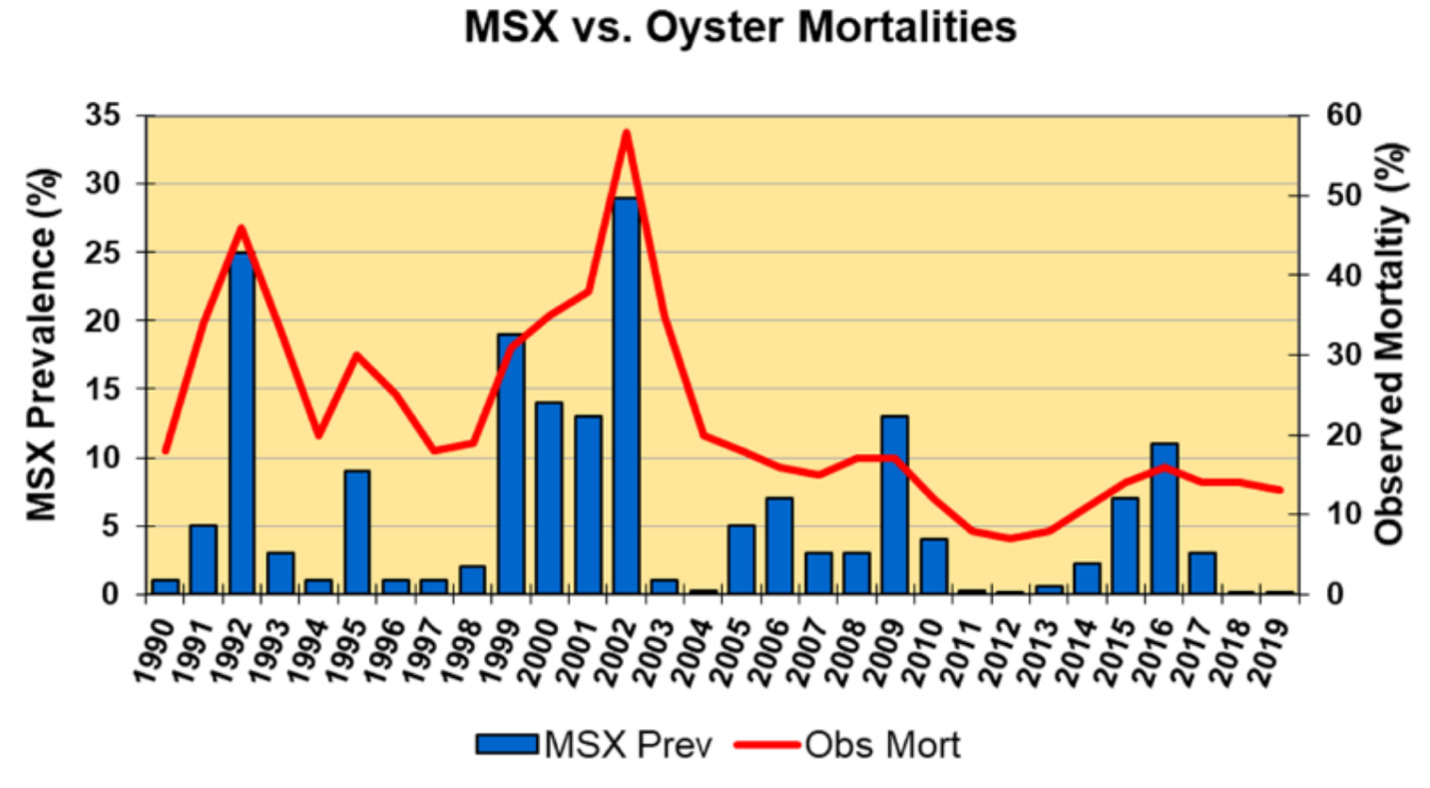
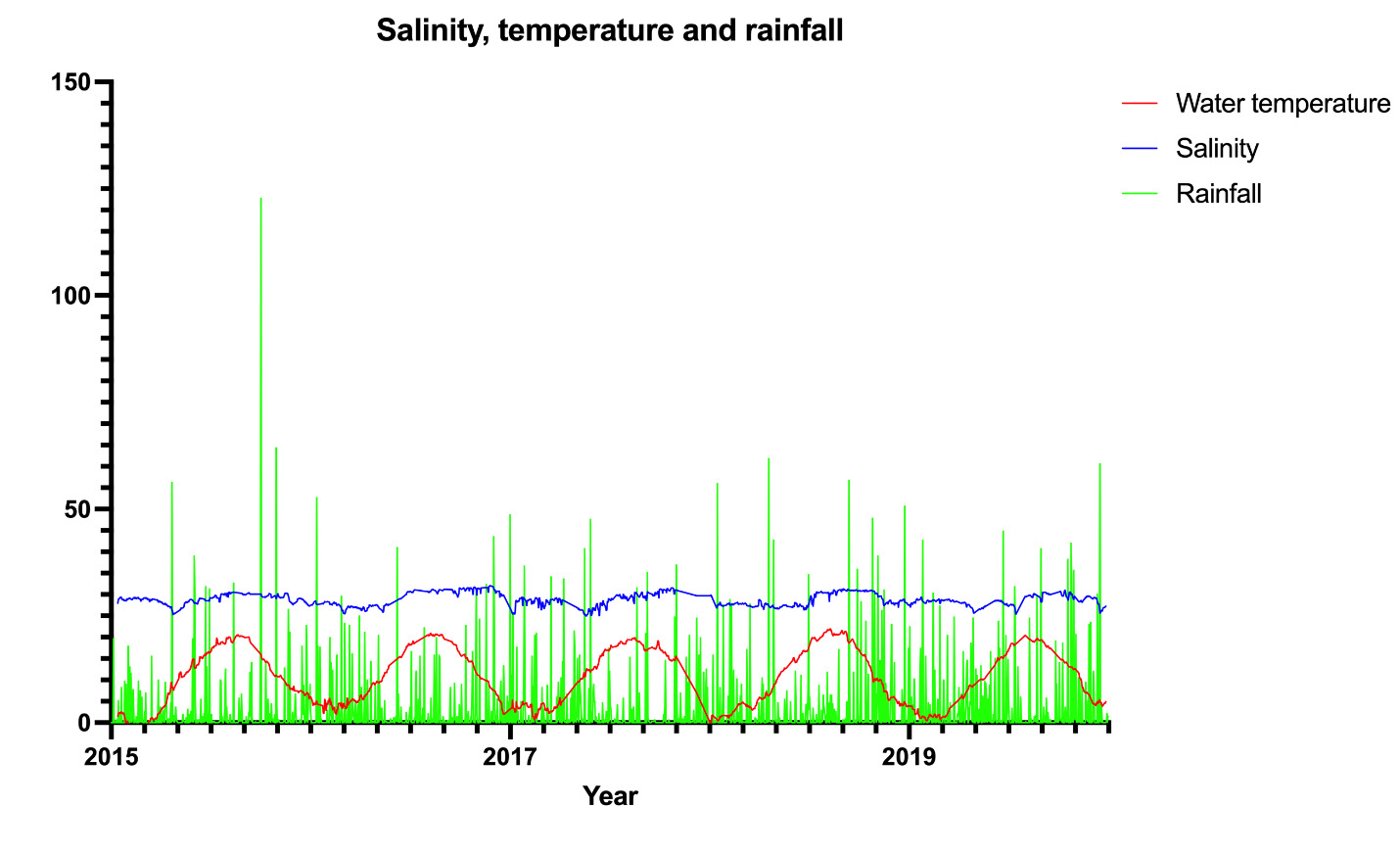
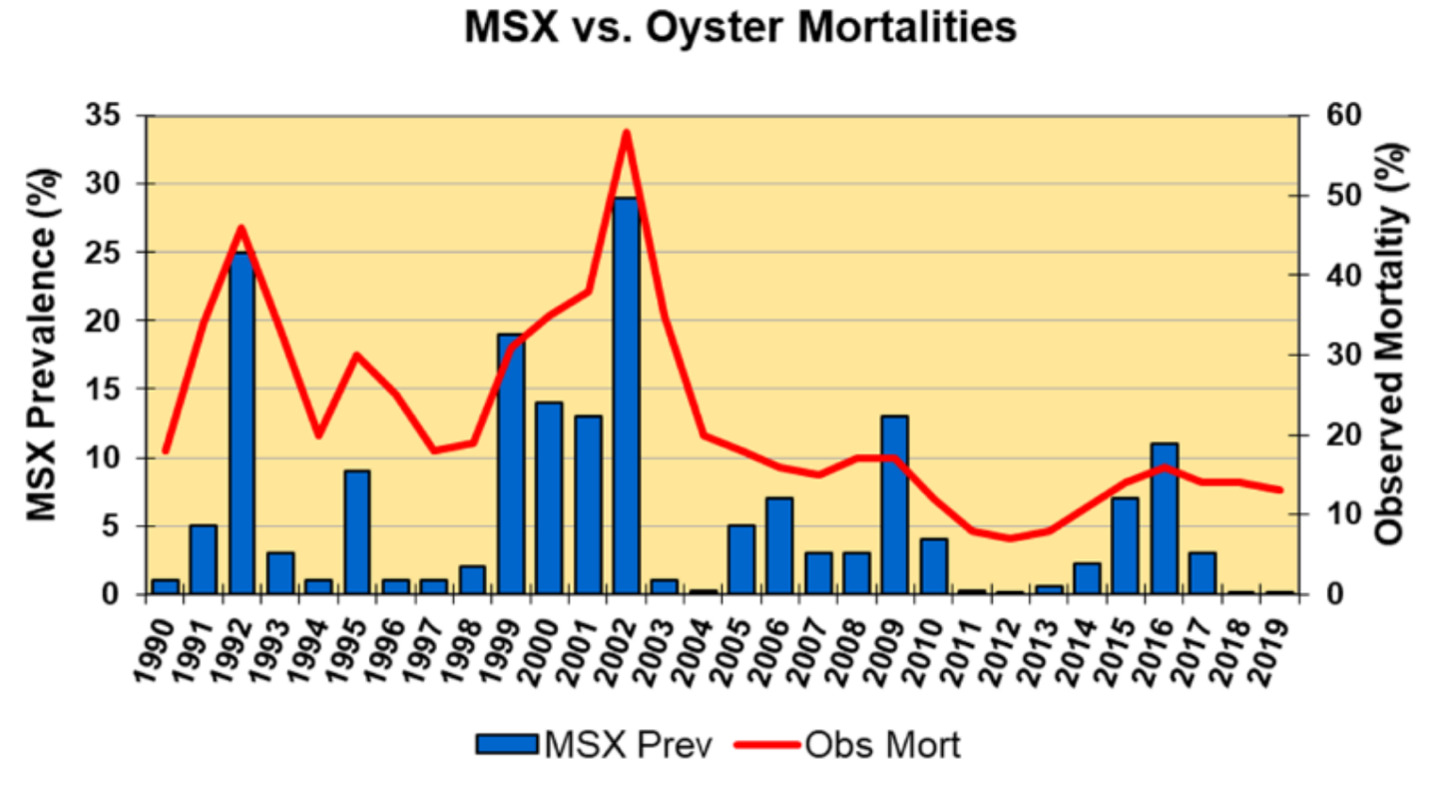
Rainfall data provided by the Mook Sea Farm Seawater Monitoring System from 2015-2019 is shown in Figure 3. Analysis of data reported by Maryland Department of Natural Resources (https://dnr.maryland.gov/fisheries/Pages/shellfish-monitoring/reports.aspx) for oyster diseases in the Chesapeake Bay indicated a similar fall in MSX prevalence is shown in Figure 4.
A total of 660 individual oysters were analyzed for presence of the parasite H. nelsoni. Individual oyster lengths varied from 51mm to 133mm. Average lengths for each timepoint/location are shown in Table 1. Individual weights varied from 18g to 171g. Average weights for each timepoint/location are shown in Table 1. Of those 660 samples only 3 tested positive for the presence of the parasite. One sample from Prentiss Island, collected in October 2019, tested positive for MSX, and two samples from the commercial site collected in December 2019, tested positive for MSX. All samples tested positive using the Crassostrea virginica primers, confirming the DNA extraction was appropriate.
Discussion
The consistency of prior prevalence studies within the Damariscotta River Estuary in indicating the presence of the MSX parasite in both wild and commercial oyster stocks, is highly noteworthy. This persistent prevalence occurred despite a reported shift in the oyster strains utilized by commercial operations. Previously, the Maine industry relied on the University of Maine Flowers Select (UMFS) strain, which was characterized by its cold-water tolerance and resistance to Aliiroseovarius crassostreae, the causative agent of juvenile oyster disease (Rawson and Feindel, 2012).
In 2011, the industry began transitioning to the Northeastern High Survival Resistant Line (NEHSRL, shortened to NEH in 2008). Developed in response to the severe impacts of MSX in the Chesapeake and Delaware Estuaries, the NEH strain was specifically bred to resist both the MSX parasite and Dermo (Perkinsus marinus), both of which historically caused high mortalities. Since this transition, most, if not all, commercially available oyster seed available in the state, has originated from lines noted for MSX and Dermo resistance, such as NEH.
While the adoption of these strains should have mitigated the spread and impact of MSX within the Damariscotta River Estuary, the parasite remained present at relatively high prevalences across all study populations from 2012 until 2017 (Marquis et al., 2020). Because no significant mortalities were reported by commercial operations during this timeframe, it is reasonable to suggest that these newer oyster strains, expected to be MSX-resistant, are more correctly MSX-tolerant.
As noted by Best, White, and Boots (2008), resistance and tolerance represent two distinct host defense strategies: resistant hosts directly “fight” the parasite, whereas tolerant hosts mitigate the disease by ameliorating the physiological damage caused by the infection. While there is increasing recognition that these two mechanisms can exhibit vastly different evolutionary behaviors, there are currently no indications in the literature that the MSX parasite itself exhibits tolerance behavior.
Our current study indicated that MSX was no longer present, at a meaningful level, in Damariscotta River Estuary oyster populations during 2019. This decline raises critical questions regarding why the parasite’s prevalence fell so drastically. Given the implementation of the new strains in breeding programs in 2011/2012, it should have taken only two to three years for the new genetic profiles to dominate commercial operations in the estuary. Because a 50–60mm oyster grown in the Damariscotta River Estuary is typically two to three years old, commercial stocks sampled in 2014, 2016 and 2017 should have consisted of MSX-resistant lines. Yet, multiple studies showed the parasite persisted, and it was not until 2019 that it’s prevalence levels dropped substantially in the estuary. Furthermore, the role of natural oyster beds remains unclear; it is generally assumed that the genetics of these wild populations are driven by gene flow from commercial operations. We didn’t test to confirm the origin of these specific oysters. Rather we used the collection point, commercial site vs natural bed site, to differentiate between cultivated and non-cultivated stock.
To start to understand why MSX prevalence dropped so abruptly by 2019–2020, we evaluated potential environmental drivers. One hypothesis was that one or more freshwater events occurred between 2016 and 2019, negatively impacting the pathogen, as MSX does not tolerate low salinity well (Ford and Haskin 1988). To investigate this, we analyzed regional rainfall data from the nearest monitoring station in Newcastle, available through the Community Collaborative Rain, Hail & Snow Network (www.cocorahs.org). The compiled data (Figure 2) revealed no significant rainfall events during the 2016–2019 window. This finding was further corroborated by supplementary data provided by Mook Seafarm tracking rainfall, temperature, and salinity at their hatchery inflow (Figure 3).
Interestingly, data from the Maryland Department of Natural Resources (https://dnr.maryland.gov/fisheries/Pages/shellfish-monitoring/reports.aspx) regarding oyster diseases in the Chesapeake Bay documented a parallel decline in MSX prevalence (Figure 4). However, unlike our findings in Maine, authorities there attributed this MSX abatement directly to freshwater inputs, noting that spikes in MSX-associated disease between 2014 and 2016 were successfully ameliorated by freshwater inflows (C. Dungan, pers. comm.).
In considering why MSX prevalence was so low during our surveillance period we have to consider the prevalence of the potential intermediate hosts. Since we still do not understand the full life cycle of this parasite, all our speculation is contingent on the interplay between the parasite, unknown intermediate hosts, and the local environment.
Since completing this trial, we have conducted ad hoc testing for individual farms experiencing unexplained oyster mortalities at other Maine sites; notably, none of these samples tested positive for MSX. More recently, however, MSX has been diagnosed in the waters of several Atlantic Canadian provinces—including Prince Edward Island, New Brunswick, Nova Scotia, and Quebec—during 2024 and 2025 (https://www.dfo-mpo.gc.ca/science/aah-saa/msx-multinucleate-sphere-unknown-multinuclee-inconnue-eng.html). This regional emergence raises vital questions regarding pathogen transport, potential intermediate hosts, and associated vector organisms. Consequently, these developments signal that it may be time to comprehensively reassess the presence and risk of MSX within oyster production areas across the Gulf of Maine.
Acknowledgements
A huge thank you to Smokey McKeen at Pemaquid Oysters and Ryan McPherson at Glidden Point Oysters for their considerable assistance in providing oysters for this project. To Dana Morse, Maine Sea Grant and University of Maine Cooperative Extension, for assistance sourcing and storing oysters. Temperature and salinity data were collected and provided as part of a collaboration between Mook Sea Farm (Meredith White, Principal Investigator) and the University of New Hampshire Ocean Process Analysis Laboratory (Joe Salisbury, Principal Investigator). Finally, my thanks to Chris Dungan, formerly of Maryland Department of Natural resources (DNR) for his insightful contribution. This project was supported by the Hatch project award no. ME0-22309 for the U.S. Department of Agriculture’s National Institute of Food and Agriculture. Any opinions, findings, conclusions, or recommendations expressed in this publication are those of the author(s) and should not be construed to represent any official USDA or U.S. Government determination or policy.